
By Miriam Hastings
I worked for many years using creative writing as a therapeutic tool to enable survivors of all manner of traumatic experiences to heal from their memories and to find a creative way to express the traumas they had been through and had survived.
Forget those well-known tales for children, whether the moralistic literary fairytales by the likes of the Brothers Grimm, or the saccharine Disney cartoons. I’m talking about the dark violent oral tales that stretch back into prehistory and can be found all over the world in mythology and in folktales. These are the stories that reflect our darkest experiences and the traumas so many people have been through and still go through today.
When you have lived through severe trauma it’s likely that you will find you have no language to give a direct and coherent account of your experiences, and that to write about it is too painful and disturbing. This is where myths and fairy tales, or dream imagery, or visual clues such as photographs or postcards (all of which I have used in my work) or any indirect way into writing, can help by making the whole process safer and easier to control.
Ancient myths and tales can help us to explore our past experiences, and as I began by saying, forget the modern saccharine fairytales. The original oral tales I’m talking about were told to help people (adults as well as children) cope with the dangerous world around them; both the natural world of dark forests holding wolves, bears, wild boar and other wild animals, and also the dangerous humans from other tribes or villages etc. that threatened to attack, enslave or murder them. These stories were about survival so the protagonists had to find their own means of resisting danger rather than relying on others, e.g. Red Riding Hood, in tales found across the globe, outwits the wolf or other beast (a bear in China) by using her own intelligence and ingenuity.
Besides the potency of these tales, the magical transformative aspect of fairytales can provide us with a means of exploring past traumas while taking back control over them through the creative use of language and imagery, to create something in words that is powerful – even beautiful – out of painful and traumatic memories. It’s a cathartic and healing process, allowing survivors who have been silenced in the past the chance of reclaiming their own experiences as told in their own words.
Whatever you have been through, it is likely you will find a myth, a folk or fairytale that reflects your experiences: e.g. if you were sexually abused, think of Philomel who was raped by her brother-in-law, then had her tongue cut out to silence her; or if you’re an incest survivor, read about Donkeyskin who had to run away from her home and live in disguise because her father wanted to marry her. Asylum seekers or refugees, like fairy wives, mermaids or selchies, find themselves trapped in an alien, often hostile society that does not understand their language and regards their cultural norms and values as strange and wrong; children who are outsiders for any reason in society – these days we call such children neurodivergent but throughout history they’ve been given various labels, in the old folktales they were called changelings and seen as goblins or other beings lacking immortal souls, left in the cradle by their supernatural kin as secret replacements for real children smuggled away to fairyland. Then there are other children who feel they are outsiders in their own families, or children who feel rejected by their parents, like Cinderella, or Hansel and Gretel.
The value of beginning your story with a fairytale or a myth is that you can identify yourself with that tale and begin by writing about your own life, but indirectly through the structure and plot of the chosen tale so that if it gets too painful, you can concentrate upon the folktale and take it somewhere else through your imagination until you feel safe enough to return to your own experiences.
Personally, I’ve always been especially drawn to tales of changelings and I have written several stories using a central character who feels alienated by the world around them, whether in a modern-day novel or in a fantastic fairytale setting. This December you will find a short tale, ‘The Changeling’, first published by Pyramid Press in an anthology, To Her Naked Eye, that you can read for free on my website: https://miriamhastings.com/
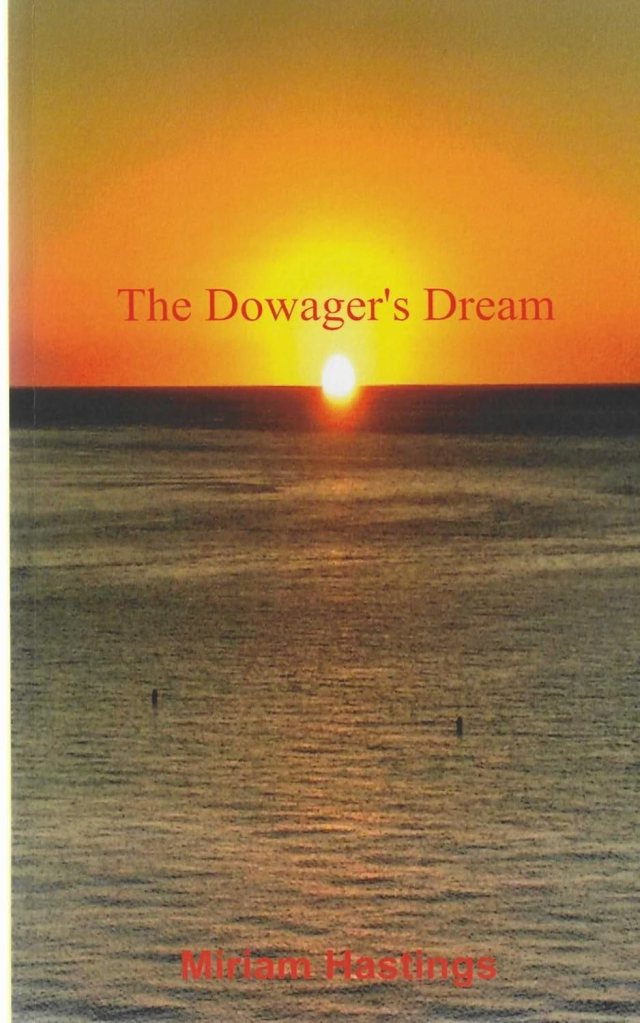
My novel The Dowager’s Dream, besides containing a fierce mermaid, has more than one character who feels rejected by the society around them. Over Christmas week, this novel will be 99p on kindle.

 Chasing Driftwood Books