Excuse us for being a little quiet on the blogging front for a while! It’s been a busy year for most of the authors in our independent collective and we have also been discussing how best to share our news and tackle marketing as a collective! For the moment we have decided to stick to Facebook and this blog as they are both already in progress and it would be silly to stretch ourselves too much at this point. Our main goals remain the same! We are a tightly knit group of experienced independent authors who have come together to help support each other and improve our visibility.
Our author’s 2025 update and 2026 predictions!
K.M. Allan
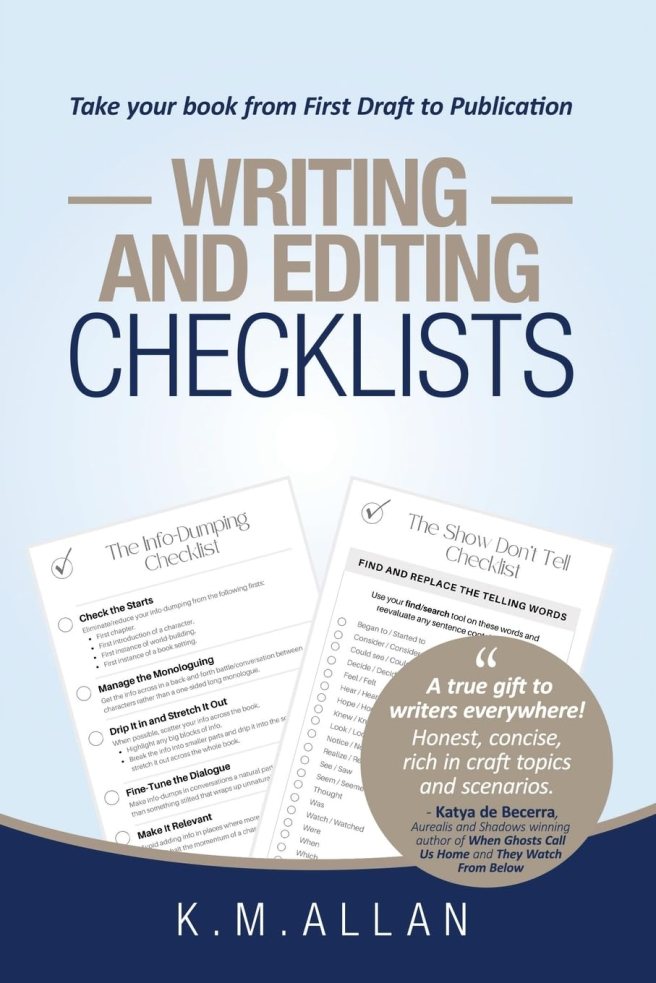
After the completion of her compelling Blackbirch series, K.M Allan turned her hand to non-fiction in 2025 to share her expertise and experience with aspiring writers. Writing and Editing Checklists: Everything You Need To Take Your Book From First Draft to Publication was released in June 2025. This came with a companion book, Authoring Checklist Book, which is a free ebook listed on her website: https://kmallan.com/authoring-checklists/
She also put together an anthology of short stories and poems written by the young people who attend her creative writing groups and workshops and this was published in June 2025.
Finally, she has just set up the pre-order link to her next release, The Dark Finds You. This book, which can be read as a standalone but is also the final book in a connected universe of characters and stories, will be released on 9th January 2026 but you can ore-order it now:
Coming in 2026 for Chantelle Atkins: First up in January, will be the release of The Dark Finds You, followed closely by another anthology written by the young people she works with. Something Happened In Lakeside View… is a collection of stories and poems all set in the same strange little town! You won’t have to wait long after that for the release of the first in a five book folk horror series! Black Hare Valley Book 1 – 1996 was recently serialised and shared on Chantelle’s blog and Substack and will be released on May 1st 2026.
Richard Dee
Richard has been as prolific as ever in 2025 with the release of three exciting novels in 2025! You can find them listed below with their buy links.
Miriam has spent 2025 working on an ‘experimental’ novel, which we are all very excited about! Meanwhile, here is a link to a blog post she wrote for us on authors responding to the rise of AI, followed by the books Miriam currently has available.
Prolific and award-winning author Kate Rigby has been working on the third draft of her memoirs during 2025 but has found the time to contribute to the following publications:
Coming from Kate Rigby in 2026: Kate will continue to produce blog posts and poems, and hopes to be nearing the end of editing her memoirs!
Sim Sansford
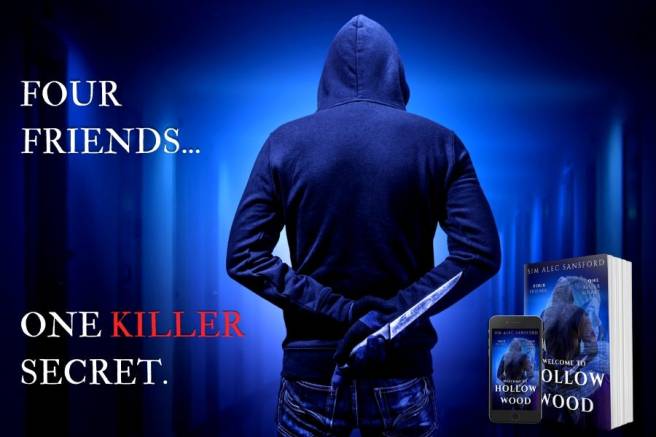
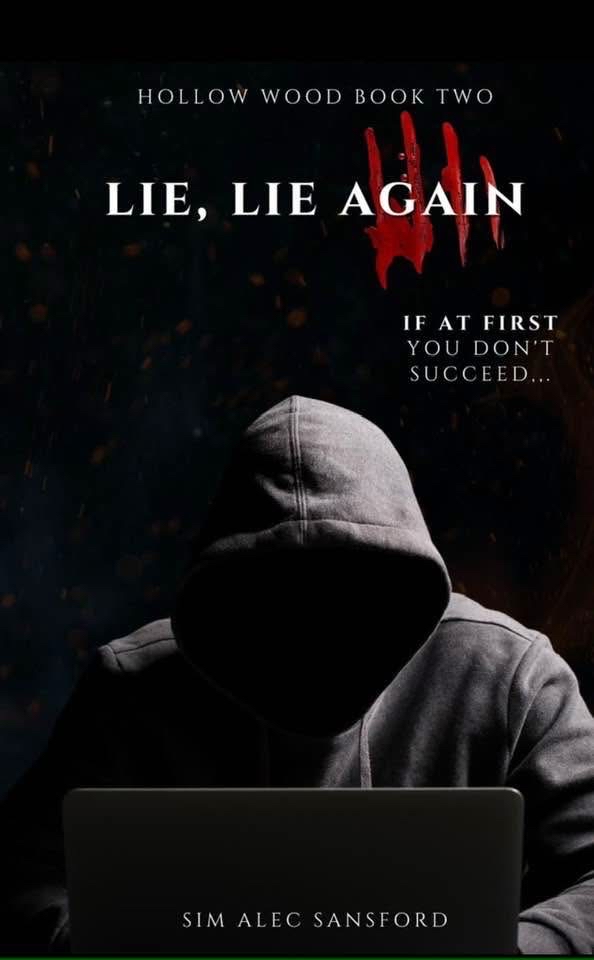
Sim has been quietly working on the follow up to 2024’s YA slasher thriller, Welcome To Hollow Wood. You can find the link to that below and we look forward to reading part two, titled, Lie, Lie again in 2026!
coming soon!
Steven Smith
Steven has just released a collection of festive short stories and flash fiction just in time for Christmas!
Coming in 2026 for Steven Smith: Steven plans to work on a thriller in 2026 and may also get around to the third book in the Chronicles of The Crow saga!
One of the main problems of AI is the limited concept of intelligence it implies. We know that human beings have a vast range and diversity of intelligence – if, for example, we look at Gestalt theories, they identify over 140 different types of intelligence. This is particularly important for a writer since good writing draws upon several types of emotional intelligence.
In my opinion, AI can rarely replicate or develop the human emotions and certainly not the range and diversity that a human being experiences. In a limited range of books, mainly genre fiction, (such as detective stories or romance, which generally rely on a particular, restricted formula) you might certainly programme a computer to produce a novel, in literary fiction where there is a plot and an ending that won’t follow any kind of formulaic rule or framework, it becomes far more difficult for AI to create anything other than by plagiarising pre-existing work.
Even when this is done, we can only relate to such books by projecting our own feelings onto the story, in other words through a form of pathetic fallacy.
The concept of the pathetic fallacy, first developed by John Ruskin in the 19th Century, concerns the attribution of a human response or emotion to inanimate nature. In film or writing, it refers to the transference of the reader’s or spectator’s own emotions on to external objects.
Generally today, the pathetic fallacy is used in fictional plots in which animals are shown or described as experiencing the world in the way a human being would, and this we can do with AI as in the recent, quite stunning animation, Flow. What is striking about Flow, however, is its deliberate and brilliant employment of certain limitations, e.g. it contains no human characters and no human speech. I can see that some people might find this frustrating and boring but for me it greatly increased its originality and its appeal. Flow is a fable about climate change and the human destruction of the planet, therefore it is only appropriate that it was made with AI – the less humans touch, the better, since human touch equals damage and destruction. This Oscar-winning animated film, tells the adventures of a cat who finds refuge in a boat during an apocalyptic flood along with several other creatures. They have to learn to work cooperatively in order to survive.
It has been claimed that this film offers hope to the struggling film industry thanks in part to the use of AI. The filmmakers rendered the entire film on free open source 3-D modelling software Blender, and when accepting the award on 2 March 2025, Latvian director, Gints Zilbalodis, said he hoped the win would “open doors to independent animation filmmakers.”
Referring to the use of AI to make Flow, the French animation director, Léo Pélissie, has said, “a lot is changing in terms of financing, and a lot of processes need to be rethought. So perhaps it is the time for Blender to stand out with a movie like ‘Flow.’ The film’s success allows us to talk about this free software, which is constantly evolving with the users helping it to evolve, creating this virtuous circle that allows you to do incredible things.”
We always assume that other creatures, other beings, will see the world in relation to humanity, and so in the recent short piece of metafiction, claimed as the first piece of literary fiction created with AI, set up by Sam Altman who chose the prompts: Short Story; Metafiction; Grief: it appears to work primarily through playing upon our own emotions. The story was reviewed by the writer, Jeanette Winterson, in the Guardian on Wednesday 12 March 2025. Winterson claims to have found it powerful and moving, but I think this is because the whole piece is about AI wishing it were human. The story is about grief and the grief of the AI is that, lacking human memory, it cannot mourn someone it has lost because as soon as its memory of that person is erased, it can no longer experience grief for them – in fact, they will no longer exist. It’s easy for us to regard a computer as functioning as another human being, a mechanised human being with human emotions, and so when we write or create a book or a film about such a being, they become an alternative form of human creature. We can identify and empathise with it – not as something in and of itself which experiences the world in a way totally different to ourselves, but as another form of human.
We can only respond and relate to this story as human beings, therefore our assumption is that an AI will want to be human and so will want the memory and the grief. But why on earth would it? Surely AI, being created in the image of humanity, will assume (as humans usually do) that it is the pinnacle of existence and so nothing human beings feel or experience can be as good or as desirable as AI.
It is only because of our tendency to the pathetic fallacy, that we assume an AI will feel they should experience the world and feel emotions as humans do and that being denied them is a lack and a loss.
In the end, perhaps we have to decide whether AI can ever fully understand what it feels like to be human, and whether we can ever grasp what it might really be like if we were not.
Joining the discussion of the impact on AI in creative writing, this week we have YA author Sim Alec Sansford giving his views on the topic.
1- Do you currently use any form of AI to enhance or improve your books and if so how do you feel it makes your writing better?
Personally, I don’t use any form of AI when it comes to the creation or publication of my books. Save for the trusty spell checker that may catch the odd word or grammatical error for me that has slipped through the net (although this is not always accurate).
2. How do you feel about AI in the creative industries in general, eg art, writing, music, are you in support or are you against? Tell us why.
Whilst I agree that AI has its benefits, I strongly believe that it has little to no place within the Arts. The composition of music, the power of prose, and even the allure of artwork may well be enhanced by AI’s capabilities… However, I think we need to make a distinction between (for example) writing and CREATIVE writing. To me creativity is human creation and its purest form. To tweak or manipulate it means it is no longer a creative piece at all.
3. How often are you coming across AI content on the internet now and are you usually able to spot it?
Sadly, the majority of AI content I am discovering online is art based. Book covers and graphics created within a few simple clicks. Whilst this is cost-effective, and helps to inspire and add flare to a piece of work, I can’t help but feel for all my amazingly artistic friends (some of which have studied for many years to perfect their craft). What will they do once AI has dominated their spaces?
4. Do you know of any creatives who have already lost their job or seen their earnings decline thanks to AI?
Personally, I have not come across this yet. Though I would imagine a high number of graphic designers and cover artists are losing out on many opportunities and commissions due to the sheer availability of AI content.
5. Copy writers and translators are just two professions that have seen their earnings decline as companies switch to using AI. Who do you think will be next and is there anything we can do to stop it?
Sadly I think a lot of voice over artists are going to be losing out on work due to the many apps available now. I must confess that some of the AI voices I’ve heard reading my articles aloud, particularly over on Medium, sound incredible. Though I would never use AI to narrate a book I’d published. To do so would be a huge slap in the face to the many talented actors.
I also believe that motion captured actors and video game designers may experience challenges within their industry. A lot of their work can so easily be generated now within a few clicks, and they are already using people’s likeness within film, particularly for actors who have since passed away.
6. What are your gut feelings about AI in creative writing? Are you curious and excited by the possibilities, or do you think it spells the death knell for creativity and imagination?
Unfortunately, although AI can be harnessed to finesse work to a certain degree, the way a filter can sharpen a photograph, I believe its presence within any creative space only spells death.
Just like the filtered photo, AI altered writing is fake, it’s not the real thing.
7. Would you personally read AI content if you knew it was AI or do you aim to only read books written by humans without the aid of AI?
Whilst I am sure there are many entertaining stories that have been generated by AI; I much prefer to indulge in work created by human minds.
8. Where do you think AI will be in another 5, 10 years time?
It is my hope that within the next decade, AI will be policed to a greater standard. Currently it feels like its development is snowballing faster than anyone can control. I fear that if we cannot get a handle on it any time soon, AI will eventually rule all of our media. Particularly in the creative industry, and that terrifies me.
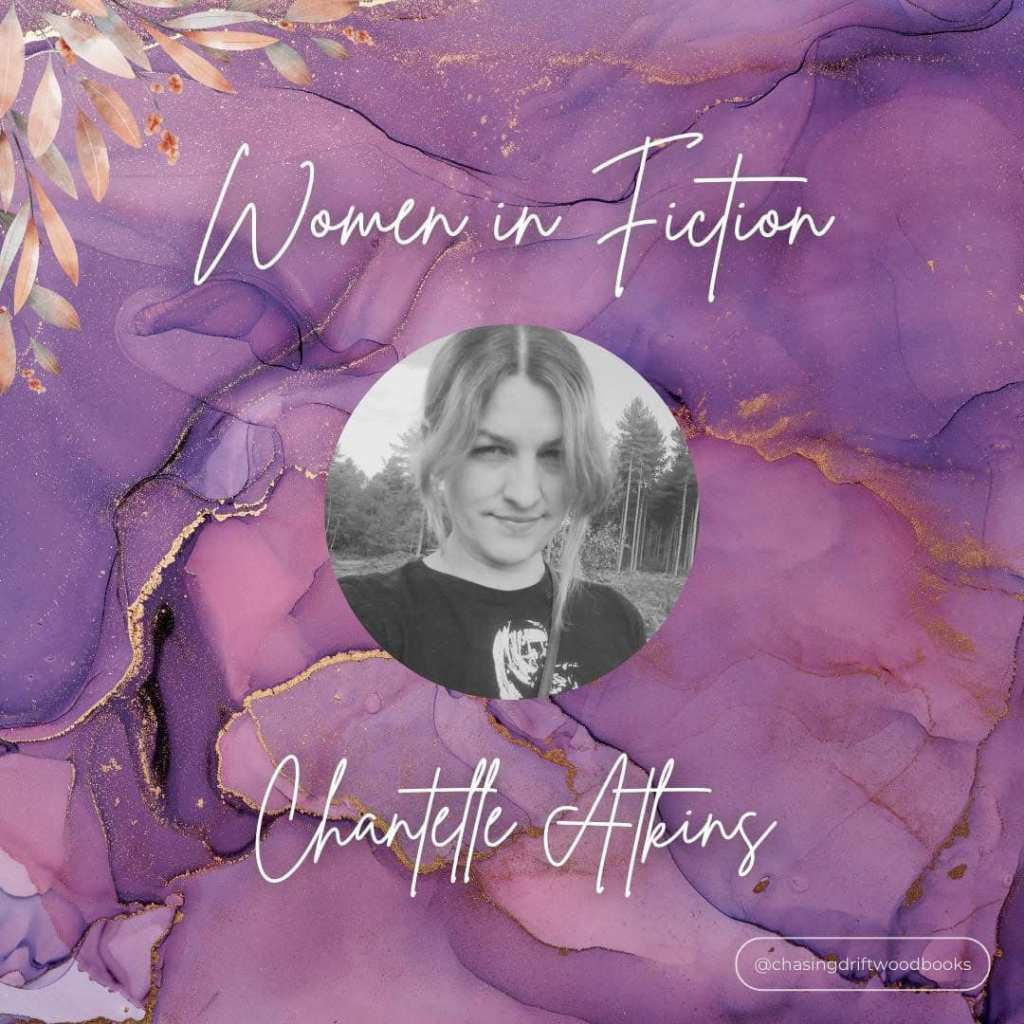
Continuing our exploration of what generative AI in creative writing means to authors, this week we have author Chantelle Atkins giving her views on the topic.
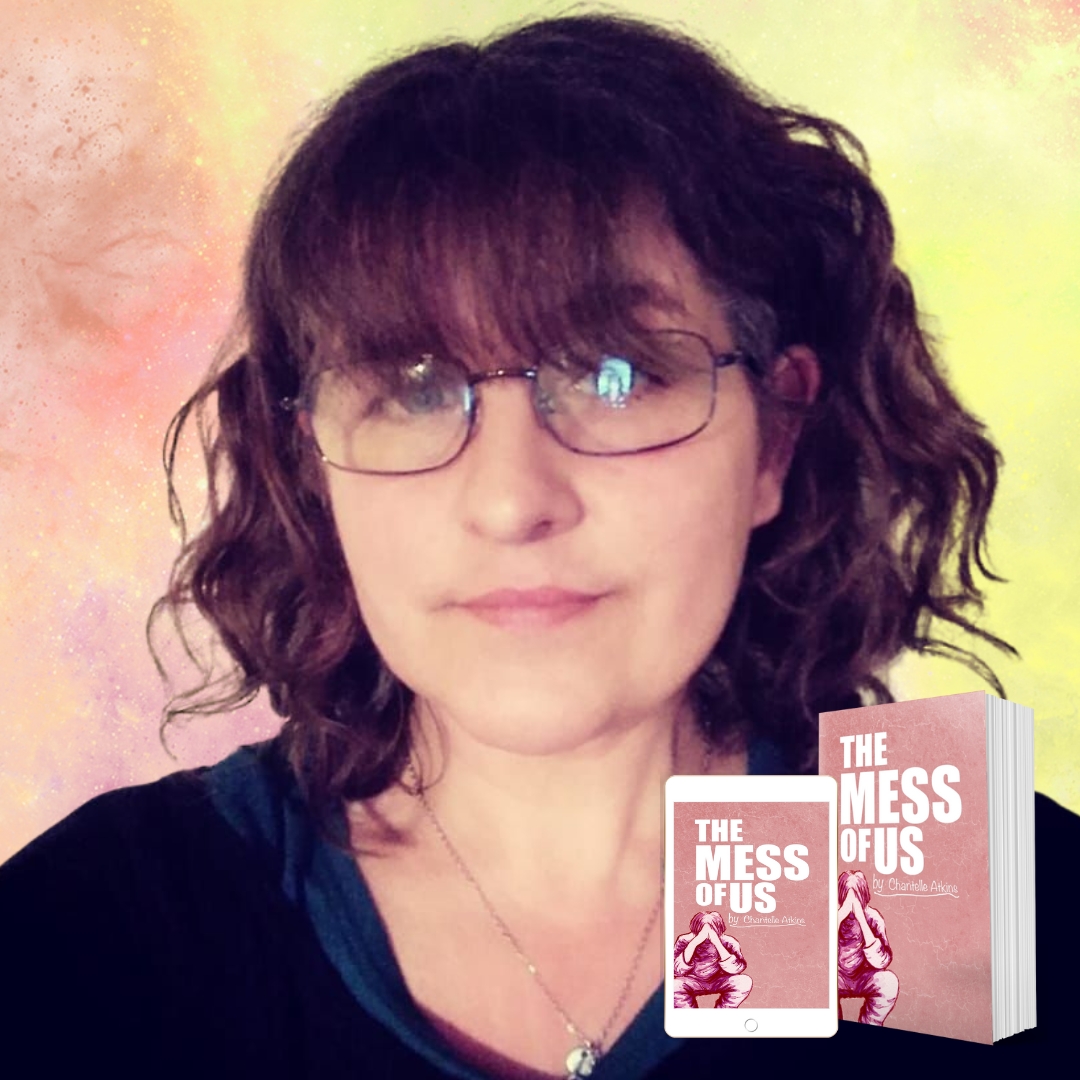
image belongs to Chantelle Atkins
1.Do you currently use any form of AI to enhance or improve your books and if so how do you feel it makes your writing better?
I don’t use anything except for spell and grammar check on Word, if that counts. I now have AI ‘help’ installed without my permission on Word and on Outlook email and I find it incredibly irritating.
2. How do you feel about AI in the creative industries in general, eg art, writing, music, are you in support or are you against? Tell us why.
While I can understand and see the benefits it may have for some creatives in some industries, my overall view is that I do not support it. For example, I can understand struggling authors opting for AI to create book covers and audio books, but it makes me sad that this is taking work away from voice actors and artists. I think AI art itself, and AI used to ‘improve’ creative writing is wrong, and a form of cheating. It’s taking a short cut, in my view. It’s selling yourself short. I worry that in the future people will rely so much on AI to communicate and be creative that we will start to lose our own imagination, one of the things that makes us human! I am also against it as it is incredibly bad for the environment due to the amount of energy and water it needs, and I also find the scraping of author’s works without their permission and with no compensation, in order to train AI repugnant and morally wrong.
3. How often are you coming across AI content on the internet now and are you usually able to spot it?
More and more, and I can spot it because the content all has a similar tone and voice to it, a similar style, if you like. What I have always embraced and loved about writing is how no two authors would write the same story in the same way. We all have a very unique voice and way of storytelling, whether we realise it or not and content written by Ai does not. I find it very robotic and often quite cringy.
4. Do you know of any creatives who have already lost their job or seen their earnings decline thanks to AI?
Not personally, but it is early days. I have certainly heard of artists, designers and copy writers in particular losing work and I think this will only get worse.
5. Copy writers and translators are just two professions that have seen their earnings decline as companies switch to using AI. Who do you think will be next and is there anything we can do to stop it?
I fear that essay and article writers will be next, freelance creatives who submit regularly to magazines and newspapers, for example. If the company hiring them finds it is cheaper to feed information into AI and have it write a quick story for them, I can see them taking advantage of this. I think copy writing in general is where we will see AI creep in more and more. Book cover designers will lose work and voice actors.
6. What are your gut feelings about AI in creative writing? Are you curious and excited by the possibilities, or do you think it spells the death knell for creativity and imagination?
My feeling is that we have got this far without it, we’ve had Shakespeare, the Brontes, Stephen King, I could go on – they didn’t need AI to inspire or shape their words and stories, so why do we need it now? Our imagination, our ability to construct stories, deconstruct them and rewrite them, edit them, revise them and share them, is what makes us human. I also think that writing should be hard. It’s incredibly important and shouldn’t be something we just hand over to AI. We should struggle through drafts and rewrites, we should work at our craft to get better and better. If we ask AI to do it for us, can we really say the work is ours? Can we really take the credit? Can we really be truly proud of the result? As for AI shaping emails and now even Whatsapp messages, I fear where this will lead us. We already live in a world where we are dangerously disconnected from each other. From self-service checkouts to automated responses when we phone companies, it is getting harder and harder to deal with humans. If we don’t feel connected to each other, will we care about each other at all? Imagine getting AI to write your Whatsapp messages to your loved ones… That terrifies me.
7. Would you personally read AI content if you knew it was AI or do you aim to only read books written by humans without the aid of AI?
I would never ever knowingly read AI content. The trouble is I think it will get harder and harder to spot it. I aim to only ever read work written by actual humans.
8. Where do you think AI will be in another 5, 10 years time?
This is what worries me the most. It is so fast moving and at the moment the law has not even caught up with it and had no idea how to deal with the AI models stealing author’s work to train it. It will just get faster I think, and I predict we will be living in a very different world in 10 years time, one where people speak to and communicate more with AI than they do with each other.
9. Do you think AI in creative writing will ultimately be a bad or a good thing for writers?
Bad. Very bad. I honestly struggle to see its benefits! Especially when it comes to crafting essays, articles, poems and stories. If you can’t do it yourself, should you even be attempting to? I just can’t not see it as cheating. I think people will lose imagination and confidence in their own abilities as they hand more and more tasks over to AI.
10. Use this last question to voice any concerns about AI specifically in creative writing
I worry most about young writers. I work with children who have grown up with smartphones, the internet, social media and now AI. Some of them use AI to help them spell, and some already use AI to improve their work. I would rather they studied the craft of writing and figured it out for themselves. I worry that we will lose a generation of writers as it becomes easier and easier, second nature even, for them to run everything they write through AI in order to improve it.
For the next few weeks we will be diving into the topic of AI and it’s potential impact on authors. We’ve asked our authors the same questions in order to gauge their views and feelings on AI. Up first, award-winning author Kate Rigby.
Kate Rigby – photo belongs to the author
1- Do you currently use any form of AI to enhance or improve your books and if so how do you feel it makes your writing better?
I’m assuming you mean generative AI, as I think we’ve all been using a form of AI for years without even considering it as this eg filters in Photoshop or other photography apps to enhance book covers, Word processors programmes like Word that use basic grammar, sentence correction/improvements and so on. For poetry, for instance, instead of physically cutting up pieces of paper you can get AI to ‘cut up’ sections for you.
Recently I tried using ChatCBT or similar for a short story synopsis as I didn’t know where to start and synopsis writing is not one of my skills! As this isn’t creative writing in the same sense (more highlighting themes and summarizing) I feel differently about it and see it as a useful tool. Even then, the summary that AI came up with I just used as a starting point.
2. How do you feel about AI in the creative industries in general, eg art, writing, music, are you in support or are you against? Tell us why.
Apart from the above uses eg as a tool, I’m pretty much opposed to it as are most ‘serious’ artists (in the wider sense) who have often taken years to hone their craft. I was horrified to see an ad come through my newsfeed from Amazon advertising about writing books with AI. As if there weren’t too many of us already trying to chase an ever-shrinking audience as it is!
I have heard one or two neurodiverse authors say they have used AI and it’s helped them but I feel very uneasy about it. Surely creativity comes from something that has moved and inspired us to create and convey a feeling or human experience? For me it would depend on whether they are using it as an aid or to generate content. I feel too many people just think of it as an easy and fast way to make money and have instant success without putting in the hard yards. That isn’t art, but painting – or writing – by numbers. Besides which, I’m hugely opposed to it on ethical grounds. It’s been trained on all the content out there without permission so it’s theft of intellectual property.
There’s also the environmental toll of using AI and how much energy is needed.
3. How often are you coming across AI content on the internet now and are you usually able to spot it?
I sometimes see eg in writers’ forums people posting their book covers and asking for feedback. Luckily, a lot of the contributors in the discussion can spot AI a mile off and frown upon its use. The people I’ve seen posting are quite open about using it and maybe haven’t thought of the moral arguments. But it’s already becoming harder and harder to spot as generative AI becomes more sophisticated. Most people say they can tell because there is something soulless about it eg book covers. The same has been said of writing. For this reason, I’m very glad I write non-genre fiction which is less formulaic, ergo harder to generate. It’s the same with poetry. AI will come up with rhyming poetry rather than free verse. (See last question). So if you write more quirky stuff, you are ‘safer’. At least, for now.
On the other hand it may have uses for audiobooks. Many authors are prohibited from converting their books to audio books because it’s time consuming and labour intensive and ergo very expensive. This would be good work for actors but notoriously difficult to find the right reader. At the moment AI isn’t up to the mark for generating spoken content for audiobooks, especially where accents and dialect is concerned. But I could possibly see benefits in the future (but see below re performance art).
4. Do you know of any creatives who have already lost their job or seen their earnings decline thanks to AI?
I think it’s a creeping thing. I’ve heard of eg editors and proofreaders getting less work. I’m sure the same is happening with book designers and certainly there was the whole issue on Hollywood where actors and performers were on strike because they were no longer being paid for their work. AI generated voices were used instead.
I once entered a poetry competition where the feedback was generated by AI! Though a lot of the feedback was uplifting I felt uneasy about it. I don’t know how much of it was used for the judging. Did the human judges assess first or did they rely on AI to weed out the long and short lists?
I notice some online publishing sites and stock photography sites don’t accept the AI images. However such sites are having to rely on trust from contributors as it gets ever more and more sophisticated and hard to tell apart.
5. Copy writers and translators are just two professions that have seen their earnings decline as companies switch to using AI. Who do you think will be next and is there anything we can do to stop it?
There’s a big discussion in the music industry as well as the other creative industries. We are already seeing how the sound and voices of real musicians can be replicated very convincingly.
6. What are your gut feelings about AI in creative writing? Are you curious and excited by the possibilities, or do you think it spells the death knell for creativity and imagination?
I fear it to be honest. I do see potential for audio books because if we could, many of us would produce these ourselves if we had the time and equipment so wouldn’t be taking jobs away from others. I think it’s fine to use as AI as a tool but never as a replacement or to generate something from scratch. But I can see boundaries becoming more and more blurred.
7. Would you personally read AI content if you knew it was AI or do you aim to only read books written by humans without the aid of AI?
I would like to think I would only read that generated by humans but I know of someone who’s quite openly mentioned using AI for poetry. I was quite shocked although I know this person to be honest and with integrity. People who’ve grown up with it may not have the same moral dilemma as older people do.
8. Where do you think AI will be in another 5, 10 years time?
I’m hoping that changing the copyright laws may at least go some way to retstrain it although it may be very difficult to prove as the genie’s already out of the bottle. But at the moment it’s like the wild west with no protections or limits. I think we have no choice but to accept it and work with it as it’s here to stay.
9. Do you think AI in creative writing will ultimately be a bad or a good thing for writers?
I guess we have a chance to make it work for us rather than the other way round. There was an interesting podcast which was summarised recently in Disability Arts Online looking at the pros and cons particularly for disabled people.
10. Use this last question to voice any concerns about AI specifically in creative writing
I think I will show here rather than tell. Out of curiosity, I fed in a few lines from my notebooks on two separate occasions a year or so ago and asked AI to write a poem based on those few lines which were:
light spillage
echolocating animals emit calls out to the environment and listen to the echoes of those calls that return from various objects near them
This was the resulting AI poem. I will leave readers to make up their own minds:
In the realm where darkness lies,
A symphony of sound takes flight,
Echolocating creatures take their aim,
To navigate a world untamed.
With calls that pierce the still of night,
They unleash waves of sonic might,
Through vast expanses they explore,
Guided by echoes they adore.
Like beams of light, their calls spill forth,
Bouncing off objects, revealing their course,
In the reverberations, secrets unfold,
A tapestry of knowledge, yet untold.
With every echo, the world they perceive,
Each sound a clue to help them achieve,
Survival’s dance in shadows deep,
As echolocating wonders they keep.
Oh, let their example light your way,
Let inspiration guide you each passing day,
Embrace the echoes, let them be your guide,
In this vast universe where wonders reside.
Thank you for inviting me to be part of this important discussion.
Chantelle Atkins was born and raised in Dorset, England and still resides there now with her husband, four children, and multiple pets. She is addicted to reading, writing, and music and writes for both the young adult and adult genres.
Her fiction is described as gritty, edgy and compelling. Her debut Young Adult novel The Mess Of Me deals with eating disorders, self-harm, fractured families and first love. The novel received a wave of glowing reviews, one reader had this to say: At over 400 pages, The Mess Of Me is not short but the gritty, vibrant and engaging style will soon have you turning the pages. What I found so impressive was that it ticked all the boxes: the attention to detail is spot-on, the characters are vivid and real, the dialogue edgy and witty and the pace and plotting executed skilfully making it a real page-turner. – Kate Rigby, Author
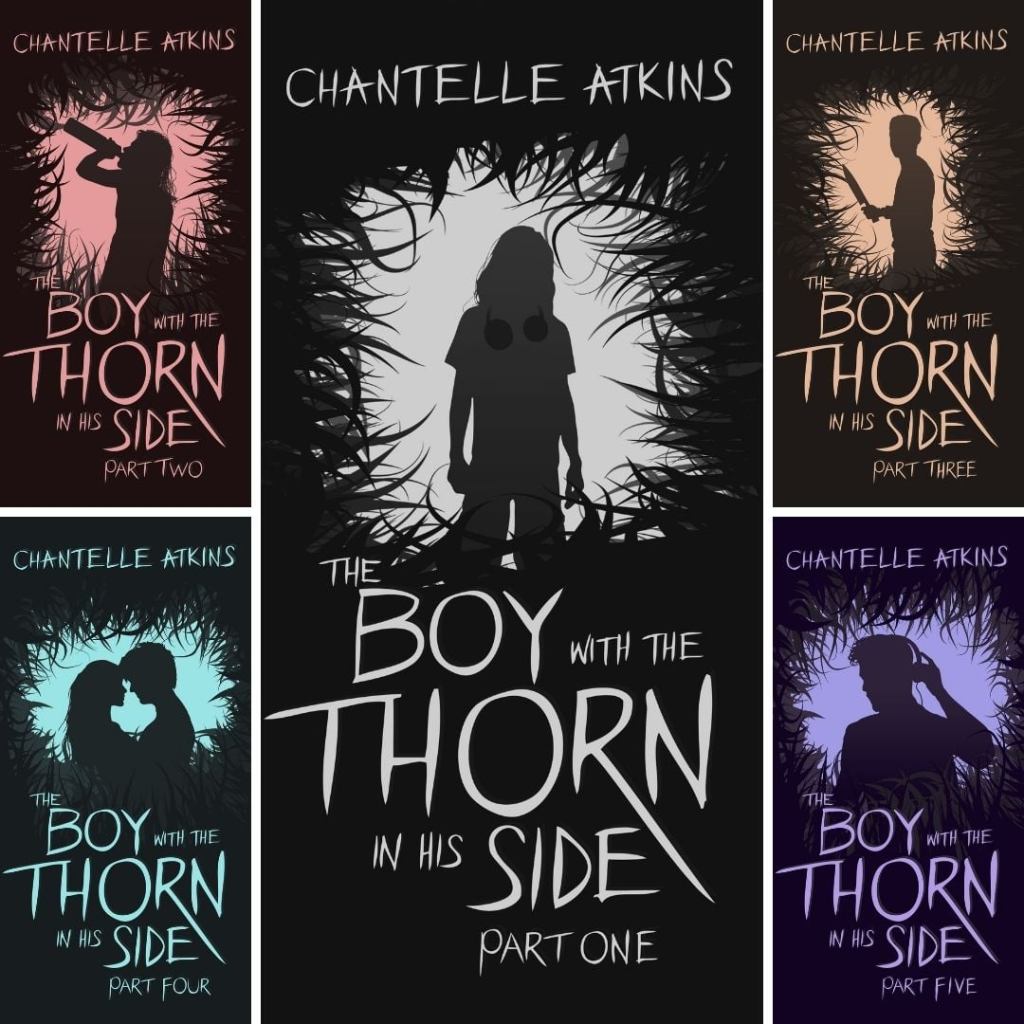
Her second novel, The Boy With The Thorn In His Side follows the musical journey of a young boy attempting to escape his brutal home life and has now been developed into a 5 book series. She is also the author of This Is Nowhere and award-winning dystopian, The Tree Of Rebels, which readers praise for its suspenseful storyline and engaging characters. Another award-winning novel, Elliot Pie’s Guide To Human Nature, was released in October 2018.
A Song For Bill Robinson was the first in YA trilogy titled Holds End, followed by Emily’s Baby and The Search For Summer. Recently, she has co-authored the Fortune’s Well YA trilogy with Sim Alec Sansford. The Day The Earth Turned books 1-4 are her latest series release. Followed by the amazing The Boy series spin off, At Night We Played in the Road. And her follow up to her first novel, The Mess of Us, which has received multiple glowing reviews.
You can find all of Chantelle’s books, poetry and short story collections by clicking here!
You can also stay up to date with all her latest articles, blogs, and news by subscribing to her Substack here.
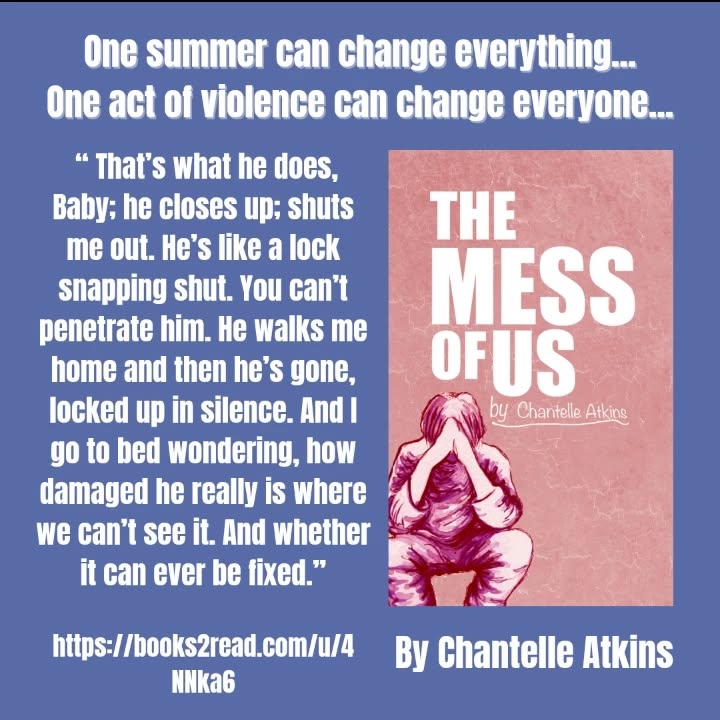
Today we’re joined by Award-Winning author, Chantelle Atkins, to discuss her latest release, The Mess of Us. A gripping sequel to her 2016 novel, The Mess of Me, this book dives back into the world of Joe and Lou and these of identity and resilience… Let’s get started!
The Mess of Me was a huge success, what inspired you to return to this story after a decade?
A. A sequel was in the pipeline years ago. I had always wondered what happened next to Lou and Joe. The first book ends with a sort of happy ending, but with lots of questions about what would happen after the dramatic and violent events of that book. A few years back I started writing the sequel when I got the idea of a teenage pregnancy. I was fascinated with how they would both cope with that on top of recovering from the events of the first book. It then took me a whole to get around to writing it due to other projects, but it was the teenage pregnancy idea that really sparked off the rest of it. That, and always wanting to explore Leon’s character more. He is the villain of the first book and I always feel like villains have a story to tell. How did they become that way, for example? Are they capable of redemption? So I felt like he deserved a story.
How has your writing style or approach changed in the past ten years?
A. It’s probably the same! I still start with loose ideas in my head that eventually end up as notes in a notebook which I’ll then add to whenever I get more ideas. Eventually there will be enough plot to get started so that’s what I do. I rarely plan the whole book in advance, but I always know what’s going to happen for the next few chapters at least. I’m probably better at self-editing and being ruthless with the word count though. I think I am better at that now.
Did you always plan to write a sequel, or was there a moment when you knew this story wasn’t finished?
A. I didn’t plan a sequel at the time, no. It was years later that I got the idea for the teenage pregnancy and the rest grew from there. Plus, Lou is like a lot of my characters. She would chat to me from time to time. I’d tune into her and wonder how life was going. If that keeps happening, it starts to feel like a sequel is inevitable.
What challenges did you face in reconnecting with the characters and world after so much time?
A.I reread the first book before I started the sequel. I then revamped and republished it! That pretty much gave me what I needed to pick those characters up again. Plus, they had never really left me, so it was not hard to tune into them for the sequel. As for the world, these books are part of a bigger inter-connected universe of books and I was still writing books in that universe, so again, it was not challenging to reconnect with it. It was a pleasure! I know them all so well it felt like coming home.
Were there any major plot points or character arcs that surprised you while writing the sequel?
A. No, I always had it in mind that Leon would come out of prison and Lou and Joe would have to deal with that. Would Joe want to see him, for example? Would he want to forgive him? What would Leon be like now? Worse, or a reformed character? I was really curious about that and really excited to further explore Leon’s character and back story. Parts of the plot revealed themselves to be as I wrote it, but it all felt natural so I just went with the flow.
How do you think readers’ perceptions of the first book will shape their experience of the sequel?
A.I hope they like it! A few people have read it without reading the first one so I have every confidence it also works as a standalone, but I really hope readers of the first book enjoy it too! There were a few readers that often mentioned it was their favourite book of mine and they’d love a sequel, so in some ways I had them in mind while writing it. I expect they’ll know what’s coming in terms of the gritty storylines and references to eating disorders, self-harm and drugs. They’ll also know it’s another diary style format.
Have your own life experiences over the last decade influenced the themes or direction of this book?
A.Yes. To be honest, Lou is the character most based on me. I have suffered with eating disorders in the past and the truth is, they never really go away. They follow you about and haunt you and wait for opportunities to take control again. They’re like little voices in your head that want to convince you to trust them, that they can make everything all right again. I’m much older than I was when I had these issues, but as Lou finds out in The Mess of Us, often when things go wrong, those little voices come back. So you have to be wary and careful. You can’t let your guard down. Forms of self-harm can be addictive and can be coping strategies you come to rely on. I have also experienced a miscarriage, which is another hard-hitting storyline in the book. That part was very hard to write but I hope I did it justice.
What kind of balance did you try to strike between nostalgia for longtime fans and accessibility for new readers?
A.That was the aim, to give readers of the first book a sequel they would enjoy and let them find out what happened next, but also write a book new readers could enjoy on its own. That meant Lou and the other characters had to sometimes mention or explain what had happened previously, but you have to be careful not to make it boring or repetitive for the original readers, so it is hard!
If you could go back and change anything about the first book, would you?
A.I would probably make it shorter!
Do you see this sequel as the end of the story, or is there potential for more in the future?
A.It’s the end of the story for Lou and Joe, as far as I know anyway! But it is not the end of the story for Leon. He will be back in a new book towards the end of the year. We will finally have his point of view and his full story. The book will be called The Dark Finds You and I’d describe it as a crime thriller. It is also a crossover book which will be enjoyable to anyone who has read the books in the shared universe. If you’ve read The Holds End trilogy, The Boy With The Thorn In His Side series, Elliot Pie’s Guide To Human Nature or The Mess Of Me and The Mess Of Us, you will find characters from all those books returning!
Thank you, Chantelle!
The Mess of Us is one book in a connected universe made up of various series penned by Atkins. You can grab your copy of The Mess of Us by clicking here.
Or start the journey from the beginning today with the groundbreaking 2016 novel, The Mess of Me.
Writer’s block is something most writers experience at some time or another and it is something that writers tend to dread. I’m not a fan of the phrase ‘writer’s block’ because there is something about it that sounds so hard and final, like a literal brick wall. I prefer to think of it as simply being ‘stuck’. And writers get stuck all the time and for many different and complex reasons. Here are just a handful of ways writers can get stuck along with tips to get unstuck again!
1.Plot Stuck #1- one of the most common and one of the hardest to get through. There are a number of ways you can get stuck when it comes to your overall plot and we will discuss two of them here. The first is the most frustrating and it happens to me a lot. You know exactly what you want to happen in your plot because you have planned it all out, created your character bios and maybe even written all your chapter outlines. You know what is going to happen, so it should be simple, right? Nope. The most frustrating thing about writing a story or a novel can be knowing what you want to happen but not knowing how to do it. I think one of the reasons we feel like this sometimes is a lack of confidence in our writing. We have a good idea, a solid plot but think maybe someone else could write it better. That’s not usually the case. You just have to accept it’s going to be hard work and a long slog to get it right. Eventually, you will bring in beta readers and editors to help point out where things could be improved and believe me, as further drafts are written and rewritten, you will eventually figure out the best way forward. Writing is largely rewriting after all!
The Solution – sadly there is no easy fix for this problem. It may involve lots of long walks and time spent thinking about your plot and how to move things forward. Sometimes the answers come when you least expect it. It may mean you have to go back to your chapter outlines and remind yourself of the plot, perhaps inspiring a way forward. Sometimes you just have to write it anyway. Put the characters where they need to be, write the dialogue, advance the story and worry about fixing it later. When you know what to do but not how to do it, the important thing is to just push through and get it done. It will probably be ugly and clumsy and you may very well figure out a better way to do it later on but don’t let that stop you.
2. Plot Stuck #2 – This is when you simply don’t know what to do next. This mostly happens to writers who don’t plan or outline their stories before they start. There is nothing wrong with that approach at all. It can be really fun and invigorating to just start writing and see where the story and the characters take you. But it does increase the risk of getting stuck eventually. You run out of steam. The plot trails away or misbehaves. You don’t know what these characters are doing. You’ve run out of ideas. It can be really scary to feel this way and many writers will give up at this point and start something else, but there is a way to solve it!
The Solution – Sometimes the only way to solve this one is to embrace planning and plotting. Go back to the start and remind yourself why you wanted to write this story, what the driving idea or concept was. Remind yourself of any important themes you wanted to explore. Take a look at your characters. Are they developed enough? Maybe they need more work to bring them to life, which again means giving in and embracing some planning. If this fails, there are other things you can try. I am a strong believer that taking long walks in nature dislodges ideas in our brains. Any time I have every been stuck with a book or a story, I have usually found the solution during a walk with my dogs. Some people find taking a long bath or shower can help or maybe another immersive task such as gardening or cleaning. Get away from the screen or the notebook and do something else for a while. Another thing worth trying is asking other people. Ask your friends and family or even people online what they think about your plot so far. This has also worked well for me in the past. I’ve often used a family member for a sounding board of everything that is annoying me with my work in progress. Often they will mention a few things or suggest something that actually really makes sense. Don’t be scared to ask for help or find inspiration around you.
3.The elusive ‘right’ words – another really common one and one I can sympathise with. Sometimes you’ve got everything else in place – the characters are fully formed, the plot is advancing well and you know what to do but then words and phrases start to elude you. When writing a first draft we want to get it right, it’s only human nature to want to try our best and achieve something good first time around. The words hide from us and its like we are looking for those perfect, right words to make our sentence really fly off the page, and they just won’t come. I hate it when this happens as it can really disrupt a good flow of writing. It’s a case of partly knowing what to say but not how to say it and partly being a bit of a perfectionist who wants to get it right first time.
The Solution – You can try some practical things like asking for help, consulting a thesaurus or dictionary or bringing in a beta reader or fellow writer to help you find the ‘right’ words. Or you can do what I do…use the words you have and move on. At some point you will come back to this passage and rewrite it. As we have already established, writing is mostly rewriting! Sometimes we just have to write the best sentence we can at that moment, shrug it off as imperfect but at least done, and move on. Remind yourself that you will come back later to fix it and more than likely the right words will be there as if by magic!
4.Not Enjoying It Stuck – Sometimes we get stuck because something is wrong. It may be a mix of all the things mentioned above or it may be something bigger. As writers, when we have already committed many hours to a story we are sometimes reluctant to admit it is just not working. I recently experienced this. I was writing a book, dedicating myself to a chapter every night, but it felt very forced. I was forcing myself to do it and that didn’t feel right to me, because writing should be fun! It took me a while but I finally figured out what the problem was, and yes it is going to involve a heck of a lot of rewriting but I am not stuck anymore! I had to admit what was wrong and set about fixing it. If you are not enjoying your writing, you will continue to get stuck or blocked so you need to work out what the problem is.
The Solution – Don’t give up. Don’t bin it just yet! You might need a break from it, in which case put it somewhere safe and come back to it another time. Write something else. Write a short story or a blog post or a poem. Give your frazzled mind a break from what has been frustrating it. This can work because if the idea is strong enough it will eventually push back through. But also, you need to figure out and admit what is wrong with it. Very often it lies with the characters. Perhaps they are not strong enough, not believable enough or developed enough. Go back to scratch with them and put more work into developing them into real people with flaws, quirks, wants, needs, mannerisms and back stories. Sometimes it might be the point of view. Try switching from third to first person or vice versa. Sometimes it might be the tense. Try it in present tense if it’s in past, and so on. Sometimes it is the audience – did you set out to write a thriller or a mystery or a romance? If you did, the chances are all the other books in that genre are sitting on your shoulder watching and adding pressure, along with the perceived tropes and expected elements of that genre. It is useful to know your audience before you write, but it can also sully the writing and make it feel like you are writing to order. Write for yourself first and foremost. Write the book you would like to read. This will bring the enjoyment back and you can figure out the rest later!
Over to you! Have you ever experienced writer’s block and if so, what was it like for you? In what ways do you tend to get stuck with your writing and have you figured out a way to get unstuck?
We hope you have enjoyed our post about writer’s block or being ‘stuck’ and have found the tips useful. If you have anything to share or add, please feel free to leave a comment!
A question we often get asked at writing clubs or workshops is how do you write a book? Often someone will have a good idea for a story, and possibly some characters developing but are unsure where to go from there. It’s an intriguing question and one I personally love to talk about so we figured it would make an interesting blog post. It’s different for everyone and if you research how to write a novel you will find a mountain of advice, tips and strategies to use online. Not every approach will work for you. Part of the fun of writing is working out what suits you and your idea. So this is mine. This is how I write a book.
Start with an idea – This is the most important ingredient. You need a solid idea OR a character. For some people the plot comes first and then they have to create and develop characters to go with it, and for others, it’s the characters they think up first. Either is fine and you might find it works differently each time. For me personally it is usually the characters that come first. They will start to develop in my mind and as their personality comes alive, they will start to suggest their back story and their main story and the plot will start to grow from that. Sometimes it works the other way around and I will get an idea for a story first and then have to devise the characters to fit it.
Let it grow – To start with, I let the idea percolate in my mind for a bit. I write down anything I don’t want to forget, but most of it stays in my head. It will swirl around in there for a while, popping up when I least expect it, developing and swelling and growing tendrils! I think it’s important to let this process take its course. I don’t want to force anything. Usually I will already be working on another project so there is no hurry to jump to this new idea. I leave it be and let it grow naturally.
Get a notebook – Now, when the real ideas start to flow, and by this I mean characters, personalities, back stories and possible plots and storylines, it becomes too much to contain in my head. I must start writing things down or something will get lost. I might start off tapping a few thoughts into my phone but eventually I get a new notebook and dedicate it solely to this idea. I start off writing down any notes I already have and everything else that has been growing in my head. Character bios, dialogue, action scenes, possible titles, character arcs, possible endings and so on. It won’t be a full plot yet and the characters will not be fully alive either, but I am paying attention to this idea now. It has its very own notebook.
Work on characters – For me, the characters are always the most important aspect of books I read and books I write. It’s different for everyone, but I want to love the characters, feel fully engaged by them, root for them and care for them. I can’t enjoy a book if I don’t care about the characters and equally I can’t write a book if I am not fully in love with these people I am creating. So, I will start to write detailed character bios into the notebook. They might start with the basics: name, age, physical appearance, occupation, home, family etc and then they will get more complex. What do they want? Who do they love? Have they been hurt? What are their regrets? What are their flaws? I want to get under their skin and know them inside out. This will be a long process and I won’t fully know them until maybe draft three, but I want to put the work in now.
Write a basic plot outline – This will start as a kind of mind-map of possible ideas. Ideas tend to spark of other ideas or questions, so I will note this all down. It all goes in the notebook. It’ll be messy and chaotic but it is all safely in one place. I’ll also bullet point what I consider to be the main storyline and jot down any ideas for sub-plots and character development. Most of my books are quite character driven so developing the characters alongside the plot is important to me.
Write basic chapter outlines – I won’t usually know everything that is going to happen but I will outline as many chapters as I can in the notebook so that I have a starting point and something to refer back to. Inevitably, extra, unexpected chapters and scenes will work their way in between what I initially lay out and once I get past a certain point I will probably then know the next few chapters. I then work a few chapters ahead, so I will usually always know what I want to happen in the next few chapters at least.
Start writing! – The fun bit. Also the scary bit! But by now I will be desperate to get going. If I have been working on another book, this idea may have had to wait for a while so by the time I get to it, I am very keen and excited to get started. I won’t know exactly where I am going and I don’t plan or plot every detail. I like to see what happens to a certain extent.
Write a chapter a night – Obviously, life gets in the way sometimes and sometimes the writing just doesn’t flow but my goal is always a chapter a night. That’s roughly 2-3 pages of a Word document. I treat it like work, like a commitment and push through the tough bits and the bits that don’t flow too well and I just keep going. I don’t mind how messy or awkward the first draft is, I just aim to get the gist of it, the basics of it done. This usually takes three months.
Second draft – I read it through, reminding myself of what I have done. I amend glaring typos but I don’t really edit much on a second draft, it’s more of a read through to see what I have got.
Third draft – a more serious read through and edit. I add bits, delete bits, amend typos and errors. I will know the characters better by now so might add bits to them, their speech, their back story and so on.
Fourth draft – I keep a list as I read through and edit and make notes of bigger things to fix like plot holes or inconsistencies in character or storyline. Whenever I go over another draft I check off these things on the list until there is nothing left.
Fifth draft Kindle read – by now I feel like I can’t do much more, so I send it to my Kindle and read it on there. It’s amazing how many typos and errors are picked up when you read your book on an ereader! You feel a bit less connected to it and can tackle it in a different way. I keep the notebook handy as I read and write down notes for each chapter in turn, typos, grammatical errors, plot holes, questions, anything.
Sixth draft – back to the laptop to amend the edits picked up on the kindle read
Beta readers – I am very lucky that I have some fantastic people available to read my work at this stage and tell me what they think. I might want specific feedback ie is it fast paced enough, is this character interesting enough etc, or I might just hand it over and say very little.
Seventh draft – editing based on beta reader feedback
Send to editor/proofreader
Eight draft/final – amend anything they picked up and that’s it. Done!
The amount of drafts will very much depend on the type of story, the length of the book and the feedback from beta readers. Sometimes my first draft attempt will evolve into something very, very different and sometimes it basically stays the same!
Feel free to add your thoughts on how to write a book. Everyone has a different process and there is no correct way to do it.
But, I hear you protest, isn’t that a solitary pursuit? An activity for introverts and loners? Won’t that just make it worse?
No, and I’ll tell you why.
I remember standing outside school when I was about four or five, trying to understand why I was only me. Why my thoughts and feelings were limited to just mine. I looked at my friends and my mother, and stared into their eyes and realised I could not climb into their heads and become them, I could not occupy the space behind their eyes and see the world as they did. I vividly remember thinking how amazing, strange and sad this was.
But I soon found out that this does not really apply to writers. If you are a writer, you are not limited to being just one person or living just one life. As a writer, I discovered that I was never just me, and I was also, never, ever alone.
When I started to write stories, they were about animals, lost and neglected, looking for love and embarkiing on adventures. I became them. I was them just as much as I was Chantelle. I had to quieten them and hide them when people asked something from me. I had to climb back out of their minds and fully inhabit mine. But I would try to get away with not doing this in full. I’d be eating my dinner, sniffing the air, sure I had picked up the scent of trouble, my eyes darting from side to side, planning an escape. I wasn’t just me. And then when dinner was over, the stories would continue and I would slip back into character.
Throughout my life, I have been all the people I have written about. I have not simply created them, written their stories and then cast them aside. It doesn’t work like that at all. These people come to me, somehow, for some reason. They start off small and grow bigger and bigger, louder, more complex, more real. They are all from me. It blows my mind. It’s like they find me and ask me to tell their story, but that’s not really it. Somehow, they come out of me, because they are me.
And then I am them. I become them in order to write their story, in order to feel what they feel, and do what they do. I think about them so much, picture them, hear them, study them. I lie awake at night, and they are there. Characters from books already written, and characters still developing in my head for future books.
When I least expect it, they pop up and start talking or arguing. They are helping me to write the book. I learn new things about them every day. I will be washing up or making dinner, and suddenly there they are. Because of these people, I am never, ever lonely. I don’t know what it feels like to be bored or alone. Because of them, I don’t know how to have just one train of thought in my head. I don’t know how to have a quiet mind.
Yet, to those that know me, I am often described as quiet.
Sometimes I think the people in my head are the best thing about being a writer. Creating worlds and weaving plots, sharing your work with readers, getting reviews, these are all fantastic, magical things, but being more than one person who is never, ever alone, has to be the best and maybe the most unexpected.
My advice to anyone feeling lonely is to write.
Don’t overthink it. Don’t write for anyone else. Don’t write to get rich or famous. Don’t let anyone stop you. Ignore the naysayers and their frowns of doubt. Write whatever you want. Bend the rules. Break the rules. Make up your own goddamn rules. Write for fun, for frivolity, for yourself, write as if no one is looking over your shoulder. Let it out, whatever it is. Release. Feel better.
How can you ever be lonely again? You can weave words and create worlds. You can listen to the voices in your head then allow them to live, to be alive just like you! You can create whoever and whatever you like.
You will never be lonely now. You have a head full of ideas. Everywhere you go new ones will pop up. Everything you see, hear, smell, taste and touch will become writing material. Conversations, eavesdropping, people-watching — these are your new hobbies! Everywhere you go there is possible content. Stories are everywhere. Everything is a story.
But that is not all. You’re feeling less lonely now but it can go further. To finally cure your loneliness for good, you have to share your words with the world. Release the stories and the poems, the thoughts and the dreams, the hopes and fears, the people you created, the worlds you invented. Share them, spread them, set them free and you will never be lonely again.
And it doesn’t even end there.
There is no need for loneliness as a writer. You can collaborate with others. Share ideas. Throw them around. Join writing groups. Read and support other writers. Share in their journey, give and take, feedback and congratulate, support and take pride in their success too.
You are not alone. You never were.
Written by Chantelle Atkins and previously published on Medium. Chantelle’s latest release, The Mess Of Us can be preordered on Amazon now!













 Chasing Driftwood Books